
The nearly lost Nicholas Harris Cemetery
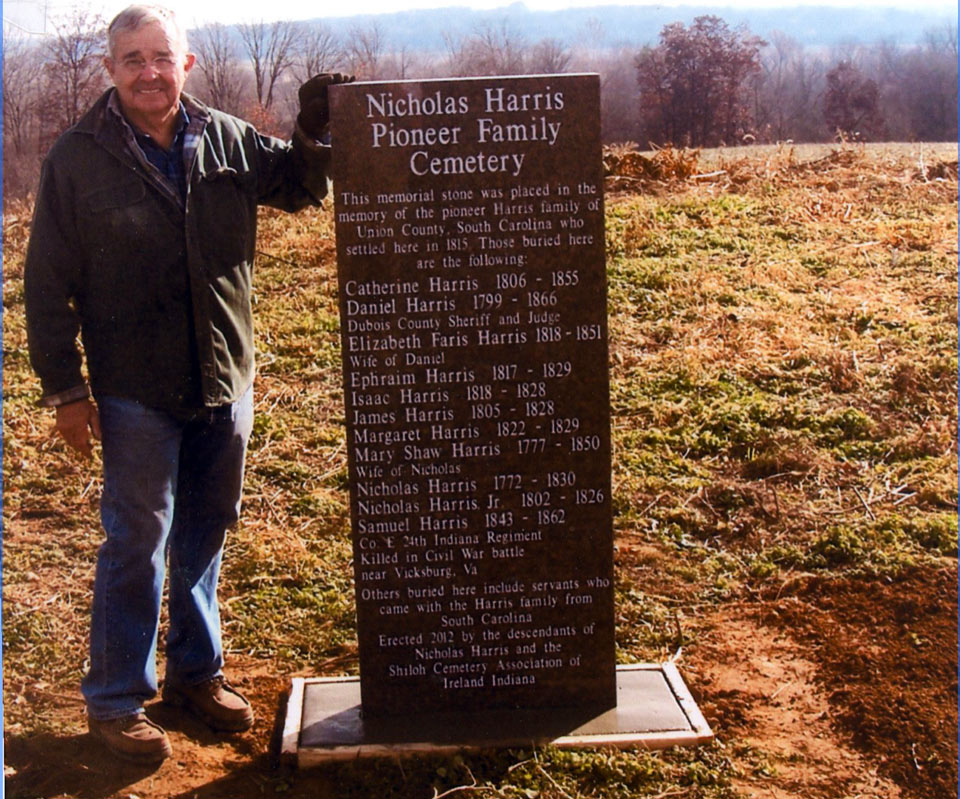
A cemetery sitting on a large bluff near the White River in Boone Township, near Portersville, is finally getting the recognition it deserves, more than a century after it was nearly erased from history.
The Nicholas Harris Cemetery, lost to time after most of its stones were removed in the late 1800s and were reportedly used as weights on a farm harrow, holds a special place in the county’s history as the final resting place of a Civil War veteran.
In early 2012, William O. Harris, the family genealogist for the Harris family, approached Delbert “Junie” Himsel — a man with decades of cemetery restoration experience — and asked for his help ensuring the site didn’t get forgotten.
“He knew I did that kind of stuff, and he came to me,” said Himsel, who has been restoring historic cemeteries since 1985.
Those efforts began when Mr. Himsel was working on his family farm when lightning struck a cemetery in his field. The strike destroyed one of the markers, and as he investigated the damage, he noticed there were about 30 other markers that needed to be fixed.
“I told the township trustee I’d fix them. He’d supply me with materials. I wouldn’t charge him any labor or nothing,” Himsel said. “That’s how it started.”
Since then, he’s been working with Township Trustees across the county to help restore these old cemeteries.
Himsel agreed to help Harris, and together they cleaned up the cemetery and added a memorial marker with the names and dates of the 11 individuals inscribed on it. The only original stone remaining at the site is John Harris’s (1813–1877), which survives because, as Himsel puts it, “It was too big for the guy to mess with.”
Nicholas Harris originally entered this land in 1817, having come to Dubois County from Union County, South Carolina, in 1815. The burials in the cemetery span 1826 to 1877 and represent some of the county’s earliest settlers.
Among those commemorated on the new stone is Daniel Harris, who served as a judge in 1826 at Portersville and as postmaster, and later as Dubois County Sheriff and commissioner from 1842 to 1848.
“The postmaster from Portersville is buried there — you’d win a trivia question with that,” joked Himsel.
The cemetery also holds the story of Samuel Harris, a Civil War veteran who died in battle. Himsel noted that getting bodies returned from the Civil War was no small feat, and he finds it “quite commendable” that the family was able to bring Samuel home.
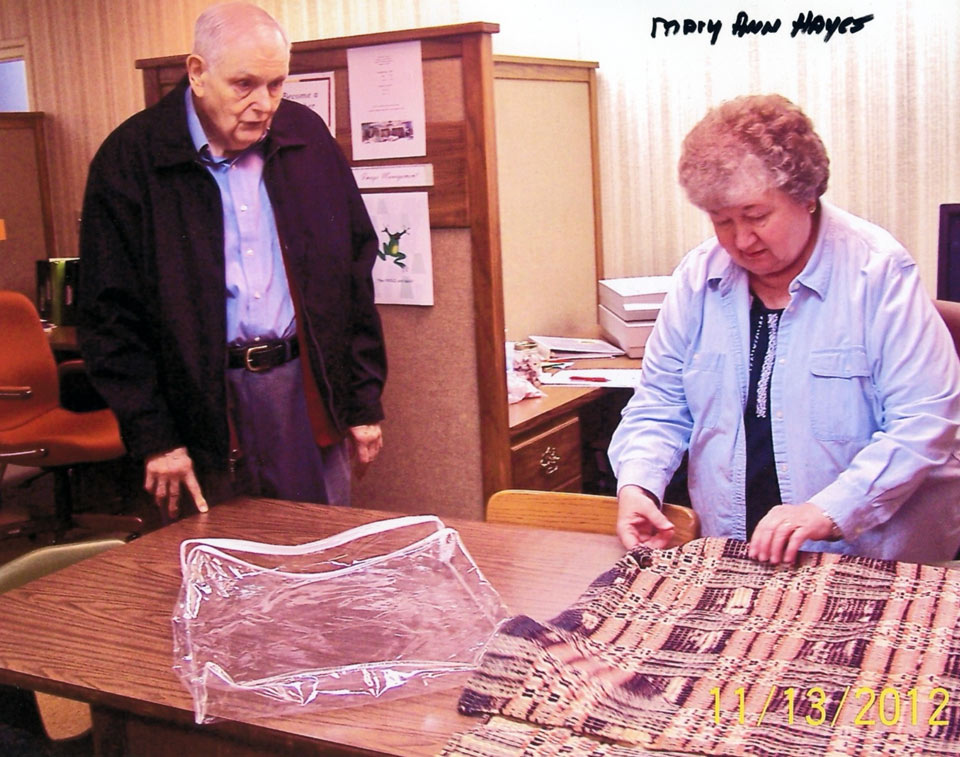
Not much is known about Harris’ service; however, about a year after enlisting, he was killed in battle. A special quilt stained with his blood is held by the Dubois County Museum.
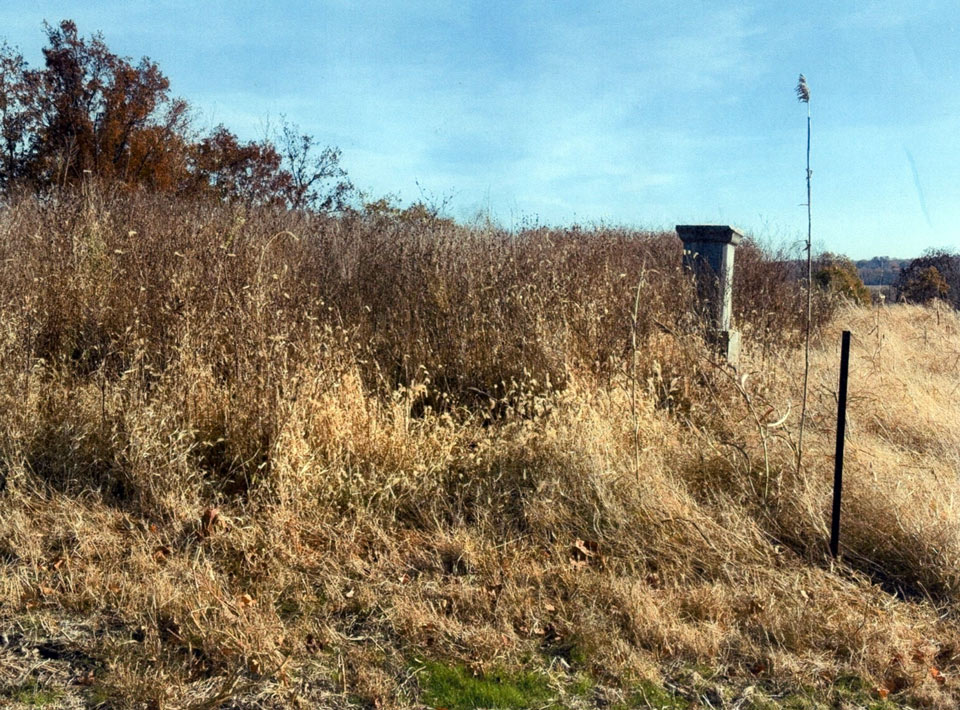
The site itself presents ongoing practical challenges. The cemetery sits out in an open field, inaccessible by vehicle without crossing planted crops. Boone Township Trustee Mark Kieffner mows the cemetery once a year, but can only reach it after the fall harvest. By that time, the overgrowth is significant.
“His trusty mower can make it look like the previous page after mowing it three times,” Himsel wrote in his account of the project.
Himsel reached out to the news to ensure these memories and special sites receive the recognition they deserve. He doesn’t want them to be forgotten.
“I don’t want any accolades on that,” he says. “I just thought that was important.”
When asked why it matters to recognize places like the Nicholas Harris Cemetery, Himsel is direct.
“People like that should be recognized. And we got to know where we came from and who helped us get there,” he said.
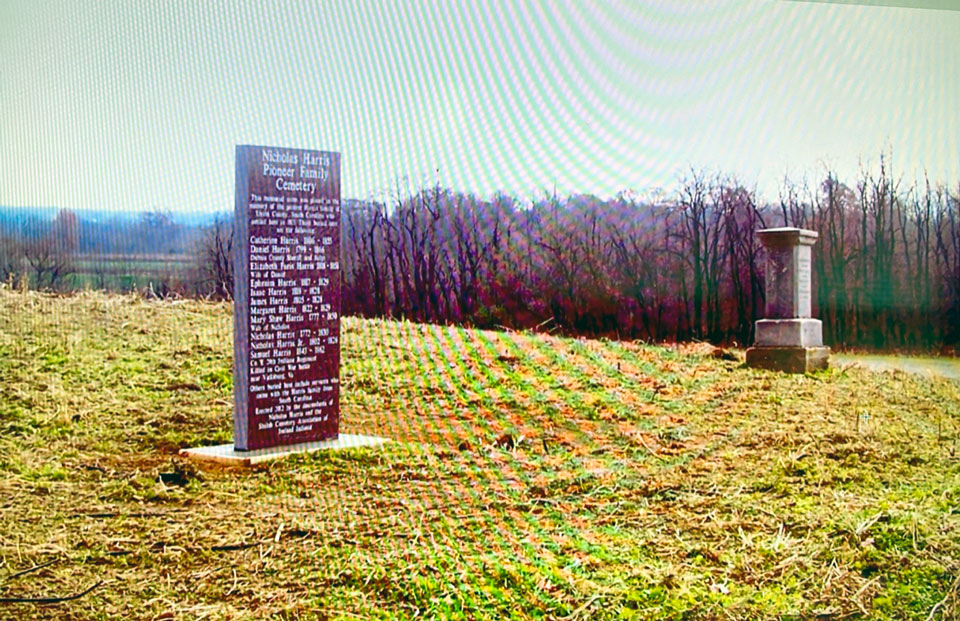
The Dubois County genealogy society has cataloged more than 40,000 burials across the county as of 2005, and the Nicholas Harris Cemetery is listed among them, though it was previously identified only as the John Harris Cemetery, since his was the only stone visible at the site. The broader history of the cemetery and the Harris family was not widely known until Himsel and William Harris began their work.
George R. Wilson’s historical notes, available online, provide additional context. Wilson, who worked in a coal mine on the Harris land at age 11, stayed in Nicholas Dan Harris’s house and later documented what he observed, including old saddlebags in a closet and, when a basement was dug under the Dan Harris home, the discovery of several skeletons believed to be of Native American origin.
The project is a tribute not only to the Harris family but also to William O. Harris himself, who approached Himsel with a deep personal connection to the site.
“This was so dear to his heart that he wanted to get it recognized,” Himsel said.
