
Nuclear micro modular reactor to be installed at Naval Weapons Station Crane
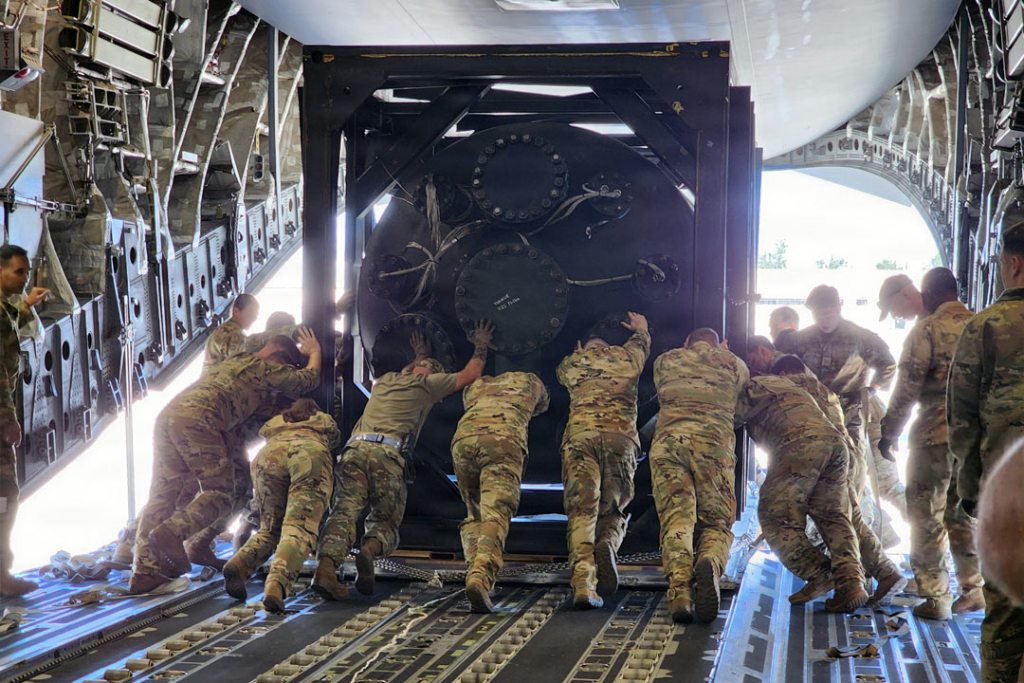
The Department of Defense announced plans to install Indiana’s first advanced nuclear Micro Modular Reactor (MMR) at Naval Weapons Station (NWS) Crane no later than September 2028.
The project implements President Donald J. Trump’s executive orders to deploy advanced nuclear reactor technologies for national security and reinvigorate the nuclear industrial base.
The commercially owned and operated MMR at NWS Crane marks the first step in a larger, unified Department-wide effort to deploy safe and secure nuclear power for national security. According to the DOD, the MMR installation will provide reliable, around-the-clock power independent of the commercial electric grid, capable of sustaining critical operations under the most demanding conditions. As the first power-producing reactor installed in Indiana, this project expands the United States’ power generation capacity and modernizes the energy infrastructure needed to serve local communities and advance missions critical to national security.
The Army is executing the MMR installation through its Janus Program, in coordination with the Department of the Navy, the Department of Defense Innovation Unit, and the Office of the Assistant Secretary of Defense for Critical Technologies. This cross-service effort brings together the Army’s role as the Department’s executive agent for installation nuclear energy, the Navy’s operational mission at NWS Crane, DIU’s access to commercial innovation, and the Department’s critical technology enterprise.
The Indiana initiative follows more than a year of coordination between the Department of Defense and Indiana state leadership. Senator Jim Banks has worked on advancing the MMR initiative in Indiana, along with Governor Mike Braun, Senator Todd Young, Representative Erin Houchin, and Representative Mark Messmer.
Emil Michael, Under Secretary of Defense for Research and Engineering, said the Department is fielding next-generation energy solutions for service members and working to ensure military installations have the infrastructure needed to maintain uninterrupted operations.
The office of Critical Technologies is coordinating stakeholders across the Department to integrate and execute the Crane project under the Janus Program. In the press release announcing the reactor, Mike Dodd, Assistant Secretary of Defense for Critical Technologies, said the office’s standard is to field and deploy capability within 24 months or less, and that the executive order gave the Department a mandate to move advanced nuclear power from concept to deployment. He said the office is working within its Contested Logistics Critical Technology Area to deliver the capability on schedule.
According to W. Jordan Gillis, Assistant Secretary of the Army for Installations, Energy and Environment, said Janus was designed to deliver capability beyond the Army, and that the partnership combines the Army’s nuclear expertise and regulatory authorities with the operational requirements of the other services and the private sector, with the aim of building a pathway to resilient nuclear power for the Joint Force.
Brendan Rogers, Assistant Secretary of the Navy for Energy, Installations and Environment, said hosting the Navy’s first shore-based advanced microreactor at NWS Crane under the Janus Program reflects an effort to harden shore infrastructure against physical, cyber, and grid vulnerabilities. He said working with the Army and OASD(CT) allows the Navy to move quickly to establish a power backbone supporting the research, development, and manufacturing the Fleet depends on.
The Department will continue to work with federal, state, and local partners through required safety, environmental, regulatory, and installation processes. Officials said nuclear safety, physical security, cybersecurity, and stewardship of taxpayer resources will remain priorities at each stage of the project.
