
A tale of two bids; Beaver Lake’s 11 inches could cost up to half million dollars
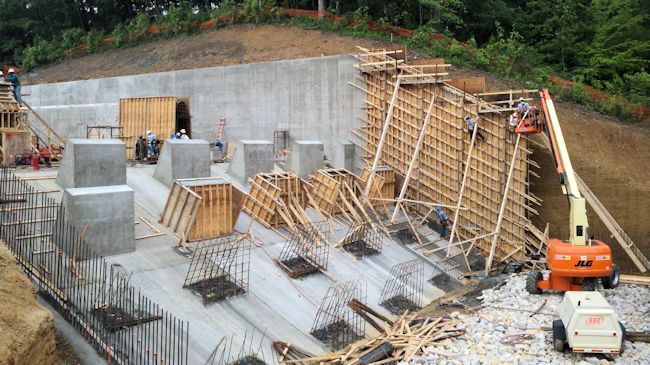
The City of Jasper still hasn’t finalized any plans to raise the water level at Beaver Lake.
The lake level dropped about 11 inches after state-mandated improvements were made to the dam and spillway. Residents around the lake were frustrated to find their piers and lakeside property had been adversely impacted by the lower levels when the lake refilled after the work was completed in 2012.
In response to the lower level, the city has been exploring options to raise the level back up. Plans were developed, and bid packages were sent to four companies interested in the work. Only two bids were received; those were opened during a public meeting Tuesday.
Indianapolis-based Christopher Burke Engineering, estimated raising the level of the lake would cost about $350,000. One bid came in well over that amount while the other was under a bit.
Force Construction of Columbus — the company that completed the work on the new dam and spillway — submitted a $531,789 bid. Krempp Construction of Jasper bid $334,400.
Both bids were taken under advisement as Christopher Burke Engineering will need to examine the bid proposals to ensure they meet the specs of the work.
Since the lake is considered an alternative water source — the Patoka River is the city’s primary source of water — the water committee will examine the bids to discuss the next steps. They will meet publicly on Monday, July 13 at 8 a.m. in the Pfaffenweiler Room at City Hall, 610 Main St. Their recommendation is expected to be made to the utility service board at its next meeting on Monday, July 20 at 7 p.m.
City Utilities Manager Bud Hauersperger said he didn’t understand why the two bids had such a difference.
The work on the spillway will raise water levels about 11 inches. Along with the spillway, the dam will have to be raised according to Indiana Department of Natural Resources specifications.

No clear reason on the lower lake level has ever been given. One theory is that measurements made at the time of the construction in the 60s were off. Another posits that water is better able to flow over the spillway now that the 16-foot wide spillway that was choked with brush and trees has been replaced with a 90-foot wide, clear concrete chute. During the construction of the spillway, the engineers reported it was around an inch lower than the previous spillway.
During the recent water rate study that resulted in a 17 percent increase in water rates, costs for the project were included in determining the need for a rate increase. Based on the estimate by the engineering firm at the time, the board felt it would be responsible for about $175,000 of the work; the rest being split between the parks department and the residents around the lake.
If the project moves forward, the split of the cost of the work will be the next point of discussion.
